Planning the Perfect Lakeside Picnic
What to pack, where to sit, and how to make your afternoon by the water actually relaxing instead of stressful.

Why Picnics by the Lake Matter
There's something about sitting by water that just works. It's quieter than the park, more peaceful than a café, and honestly cheaper than driving into town. But here's the thing — a bad picnic setup ruins everything. You'll be uncomfortable, your food gets warm, and suddenly you're thinking about what else you could be doing instead of enjoying the moment.
We're not talking complicated preparations. Just the right basics: proper seating, food that travels well, and knowing where to position yourself so the sun isn't in your eyes the whole time. That's it. Once you get these right, you've actually got something special going.
Getting Your Setup Right
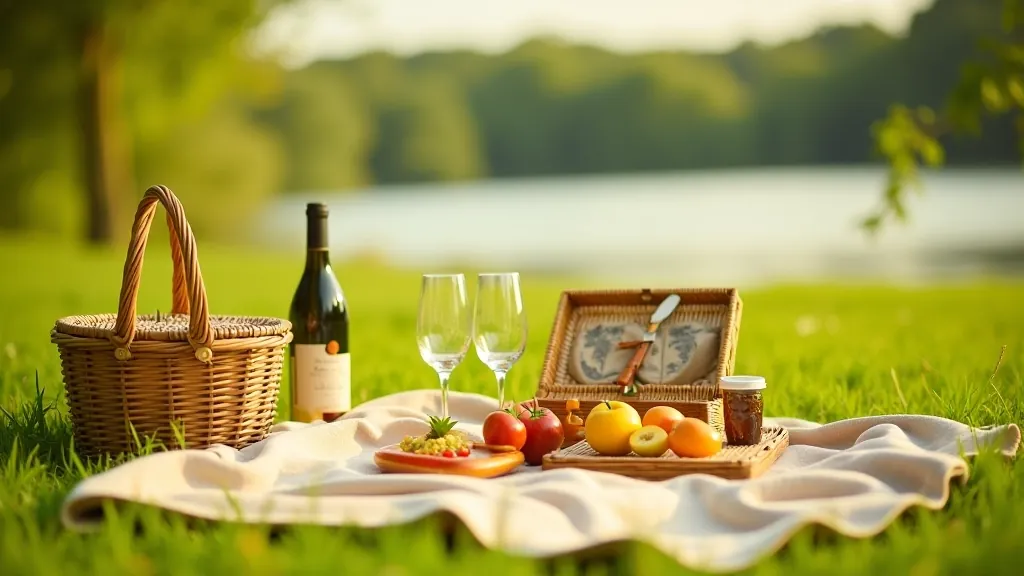
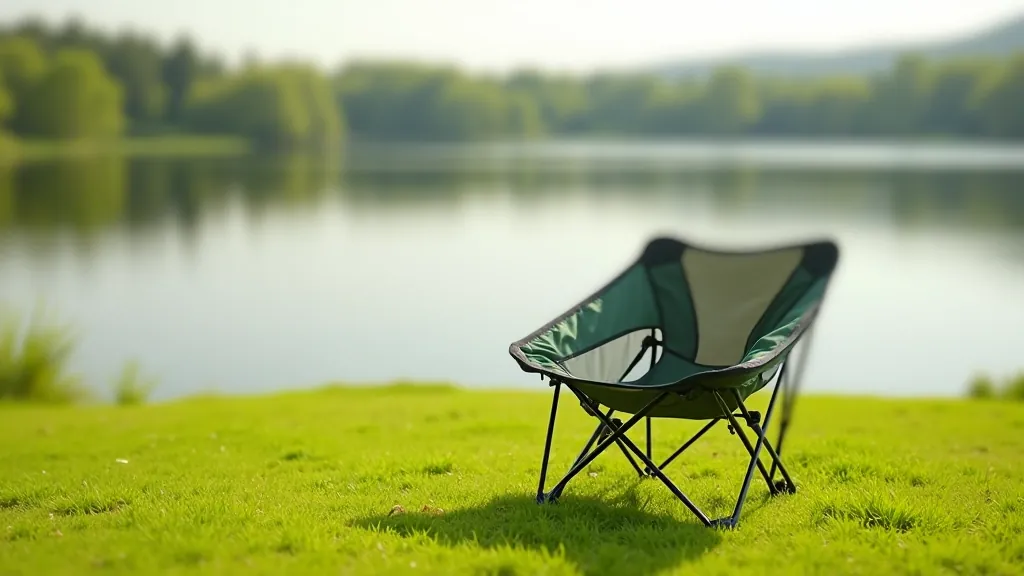
The foundation of any good picnic is where you sit. You need something that actually supports you — not just a blanket that slides around on damp grass. A proper picnic blanket with a waterproof backing is worth the investment. Throw a portable chair or two on top and you've got comfort sorted.
Position matters more than people think. You want shade, but not total shade. Late afternoon sun on your back while you're facing the water works perfectly. Check the time you're going — if it's midday, look for spots near trees. Morning picnics? Anywhere flat by the shore does the job.
Wind is your actual enemy here. It'll blow napkins away, tip over drinks, and make everything annoying. Scout for natural windbreaks — trees, gentle slopes, even the right curve of the shoreline. Five minutes of planning ahead saves 45 minutes of frustration.
Food That Actually Travels
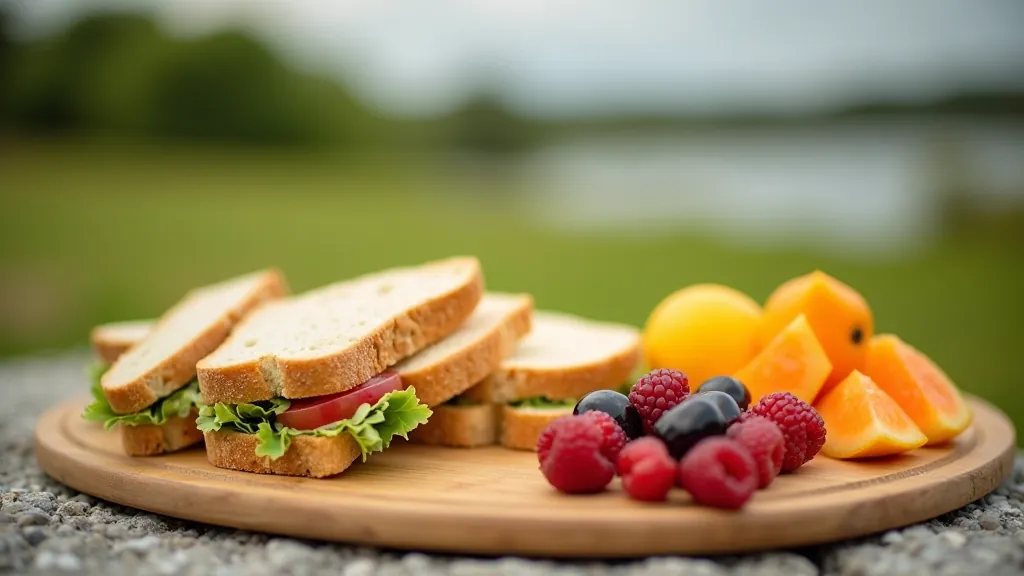
Don't bring anything that melts in an hour. Sandwiches stay good. Fresh fruit doesn't spoil. Cheese travels fine if it's decent quality. Avoid mayo-heavy salads — they get soggy and weird. You're looking at 2-3 hours max before things start getting sketchy, so plan accordingly.
A small cooler with a frozen water bottle inside keeps everything at the right temperature. It's lighter than you'd think, and honestly it's one of those things you'll wonder how you ever lived without. The frozen bottle doubles as something cold to drink later as it thaws.
Pro tip: Pack everything in reusable containers. You won't have trash blowing around, and cleanup's easier when you're done.
Things You'll Actually Need
Water & Hydration
More than you think you'll need. A small bottle for you plus extras. The sun reflects off water and dehydrates you faster than you'd expect.
Sun Protection
Sunscreen, a hat, and sunglasses. You're not hiding under an umbrella all day. The reflection off the water intensifies UV exposure.
Napkins & Cleanup
Pack way more than seems necessary. A small waste bag for trash. Wet wipes for hands afterward. It keeps things tidy and respectful to the space.
Entertainment (Optional)
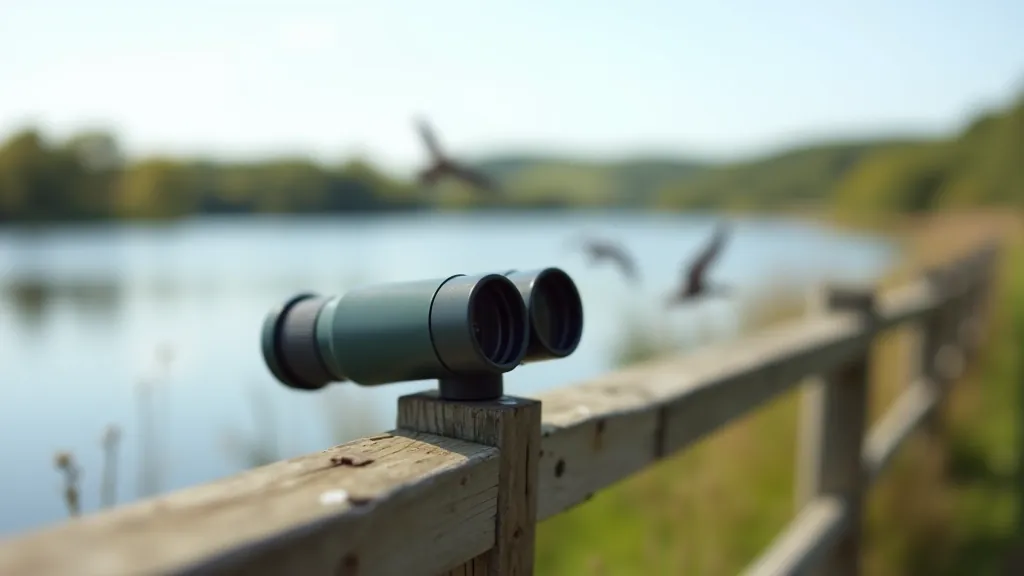
A book, binoculars for birdwatching, or just conversation. You don't need much. Sometimes doing nothing is the whole point.
Proper Seating
A good blanket with waterproof backing plus a lightweight chair. Grass is damp. Your back will appreciate actual support after an hour.
Small Cooler
Keep food and drinks at safe temperatures. A frozen water bottle inside does double duty — cooling and drinking later as it melts.
Timing Your Visit
Morning picnics (9 AM to noon) mean fewer crowds and cooler temperatures. You'll have your pick of spots and won't feel rushed. The light's beautiful too — soft and not too harsh.
Late afternoon (3 PM to 6 PM) is another sweet spot. The sun's lower, it's warmer, and there's that golden light that makes everything look better. You're not fighting the midday heat and you've got room to yourself because most day-trippers have gone home.
Avoid the noon-to-3 PM window if you can. That's when families with kids descend, the sun's directly overhead, and the heat is intense. If that's all you've got, find serious shade and bring extra water.
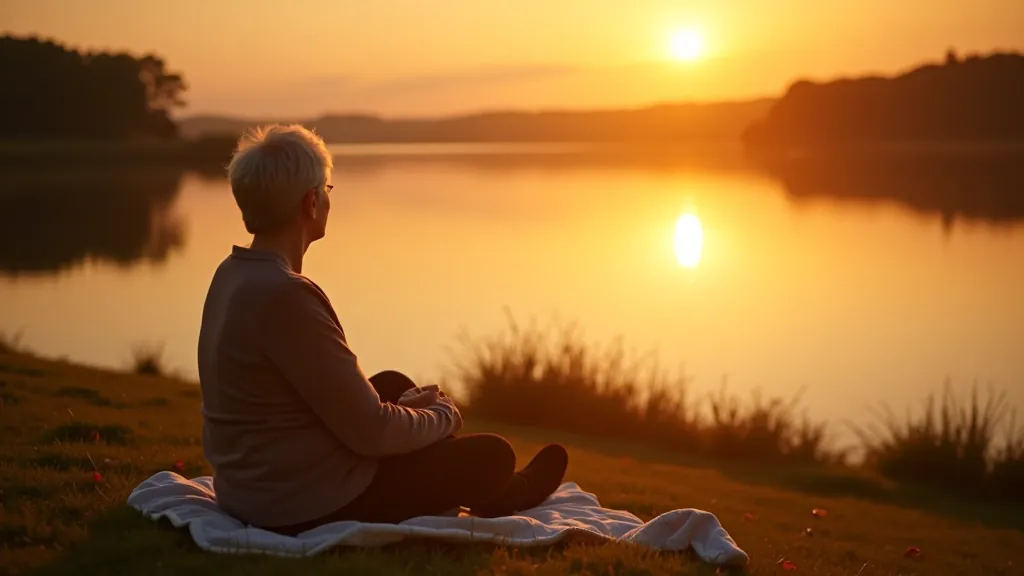
The real luxury isn't fancy food or expensive setups. It's sitting somewhere beautiful with time to just be. A good picnic gives you that without the fuss.
A Quick Note
This guide is educational and informational. Always check local rules about picnicking in public spaces — some areas have specific regulations about where you can settle. Weather conditions vary, so check the forecast before heading out. If you're bringing anyone with mobility concerns, scout the location beforehand to ensure it's accessible. Most of all, respect the natural space you're using and leave it as you found it.
The Whole Point
A lakeside picnic doesn't need to be complicated. You're not hosting a catering event. You're creating a moment — a few hours where you're comfortable, the food's good, and you're somewhere beautiful. That's it. Get the basics right (good seat, decent food, shade), pick a good time, and you've done it.
Start simple. Next time you're thinking about what to do with an afternoon, grab a blanket, some sandwiches, and head to the water. You'll figure out what works for you. After a couple of tries, you'll have your own perfect system.
Related Articles