
Bird Watching for Beginners at Lough Ennell
You don't need fancy equipment. Learn which birds you'll actually spot here and when's the best time to visit.

Getting Started at Lough Ennell
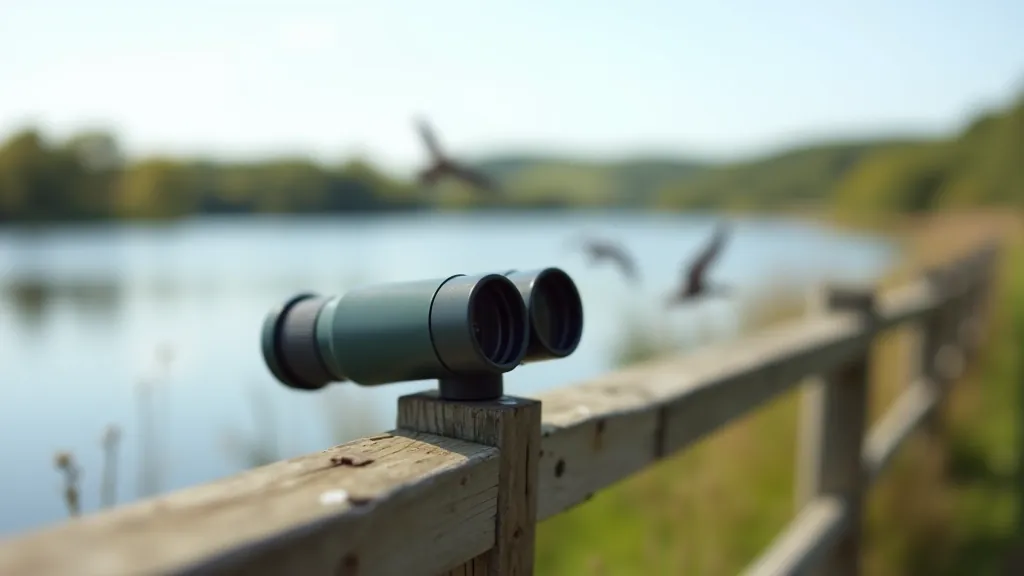
Lough Ennell is one of Westmeath's best-kept secrets for beginners. It's peaceful, accessible, and honestly, the birds don't care whether you've got binoculars that cost €50 or €500. What matters is patience and knowing where to look.
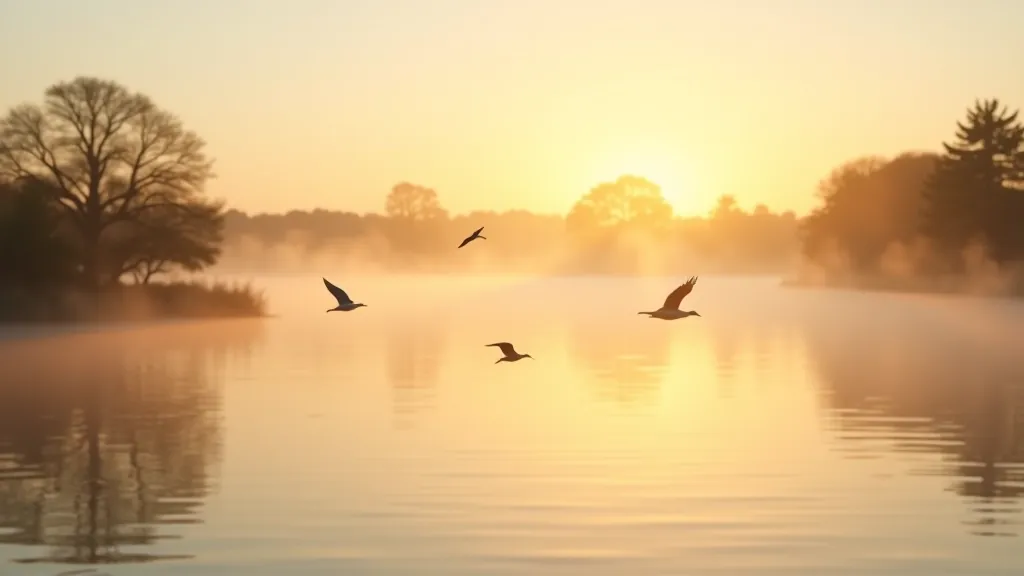
The lake stretches about 7 kilometres long and sits right outside Mullingar. You've got several walking paths that circle the water, and you'll find quiet spots almost everywhere. Early morning is your golden window — that's when birds are most active, and you'll have fewer people around.
Which Birds You'll Actually See
Don't expect exotic species. What you will find is reliable, year-round birdlife that's genuinely worth watching.
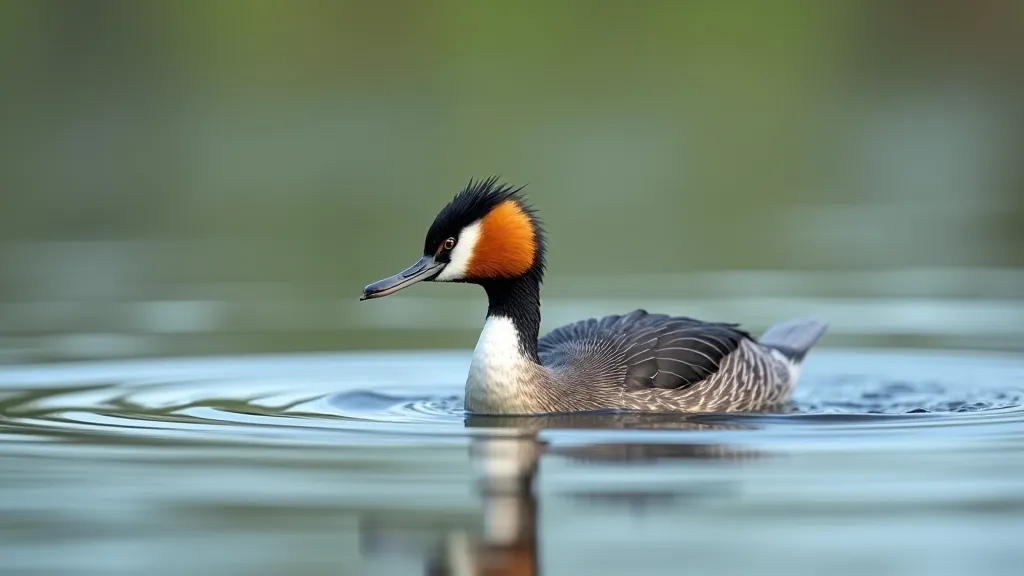
Great Crested Grebes
Unmistakable with their spiky head crests. They're diving specialists — watch them disappear underwater for up to 30 seconds hunting fish.
Tufted Ducks & Coots
You'll see these everywhere, especially in groups. The coots have white faces and are almost comical to watch as they paddle about.
Cormorants & Herons
The cormorants are jet-black and often perch on rocks with wings spread out to dry. Herons are taller and more patient — you'll spot them standing perfectly still along the shore.
Swallows & Swifts (Summer)
April through September, these birds zip over the water catching insects mid-flight. It's hypnotic watching them work.
Timing & Best Conditions
You'll have the best experience between 6:30 AM and 9:00 AM. Birds are most active, light's soft, and the water's usually calm. Plus, fewer people means less disturbance.
Spring & Autumn: Peak migration times. You might spot birds you've never seen before as they pass through. Late April to early May, and September, are particularly good.
Winter can be productive too — many water birds arrive from colder northern areas. You won't have breeding season displays, but you'll get good numbers and variety. Summer's quieter since birds are nesting and less visible.
Weather matters. Calm mornings with light cloud are ideal. Wind makes the water choppy and birds harder to spot. Rain doesn't usually stop them, but you'll be less comfortable standing around.

Visitor Information
This guide is informational and based on typical bird sightings at Lough Ennell. Species presence varies seasonally and weather conditions affect visibility. Always check local weather forecasts before visiting. The lake area is accessible to the public, but please respect private property and local guidelines. Consider joining a local bird watching group for guided visits and current sighting reports.

Essential Tips for Success
You don't need much to start. Here's what actually works:
Binoculars
8x42 magnification is standard. You can get decent ones for €80-150. Don't go overboard initially — you'll learn what you want over time.
A Field Guide
Collins Bird Guide or a smartphone app works fine. Take notes of what you see — that's how you actually learn to identify species.
Patience & Stillness
Move slowly, stay quiet, and find a spot to sit. Birds aren't bothered by people who aren't moving around frantically.
Comfortable Clothes
Layers matter because you'll be standing around. Waterproof jacket and good walking shoes. You're out for 1-2 hours minimum.
A Small Notebook
Write down what you see — date, time, weather, species, behavior. It builds your knowledge and you'll spot patterns over visits.
Go With Someone
Finding birds is easier in pairs. You'll spot more, and it's genuinely more enjoyable sharing the experience.
Where to Position Yourself
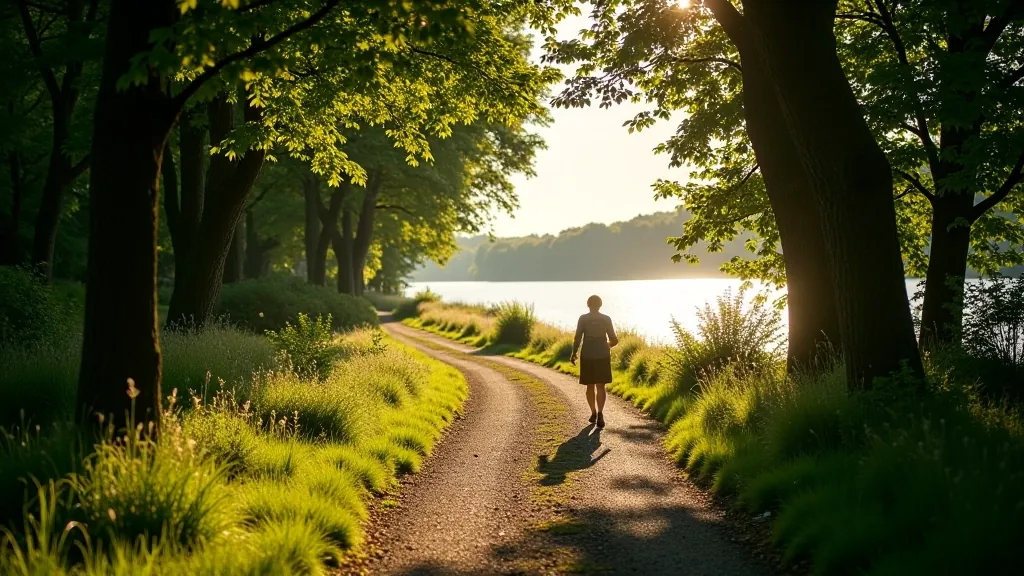
The northern shore near the Tubber area is consistently good. It's less crowded and you've got clear views across the water. There's a walking path that runs most of the perimeter, so you're never stuck in one spot.
The eastern end near Ballymahon Road has reed beds — perfect for spotting waterfowl and hearing the distinctive sounds of warblers in spring. If you're new to this, don't overthink location. Start at any accessible point and spend time watching. Birds are literally everywhere around this lake.
One thing that'll genuinely improve your success: find shade or a natural barrier (tree, hedge, bench) to sit behind. Birds are less alarmed if you're partially concealed. You'll see more activity if they don't know you're there.
Your First Visit
Here's what'll happen when you go: You'll arrive early, maybe a bit uncertain about what you're doing. You'll find a spot that feels right. Then you'll wait. And within 15 minutes, you'll see birds — probably more than you expected. A cormorant diving. Coots paddling in clusters. Maybe a heron standing motionless in the shallows.
That's it. That's the whole thing. It's not complicated, and it doesn't require expertise. Lough Ennell's got the birds. You've got the time. Just show up early, bring binoculars, and pay attention. You'll be surprised how quickly you start recognizing species and noticing behaviors. It becomes genuinely addictive.
Ready to explore more about outdoor activities at Lough Ennell?
Explore More ActivitiesRelated Articles